
September 2, 2026 · Sweep Dreams Cleaning Services · 6 min read
Beyond the Basics: Quick & Effective DIY Shower Door Cleaners
Tired of a perpetually foggy shower door? Discover three efficient, time-saving DIY cleaning methods using household items to restore clarity and shine to your glass.
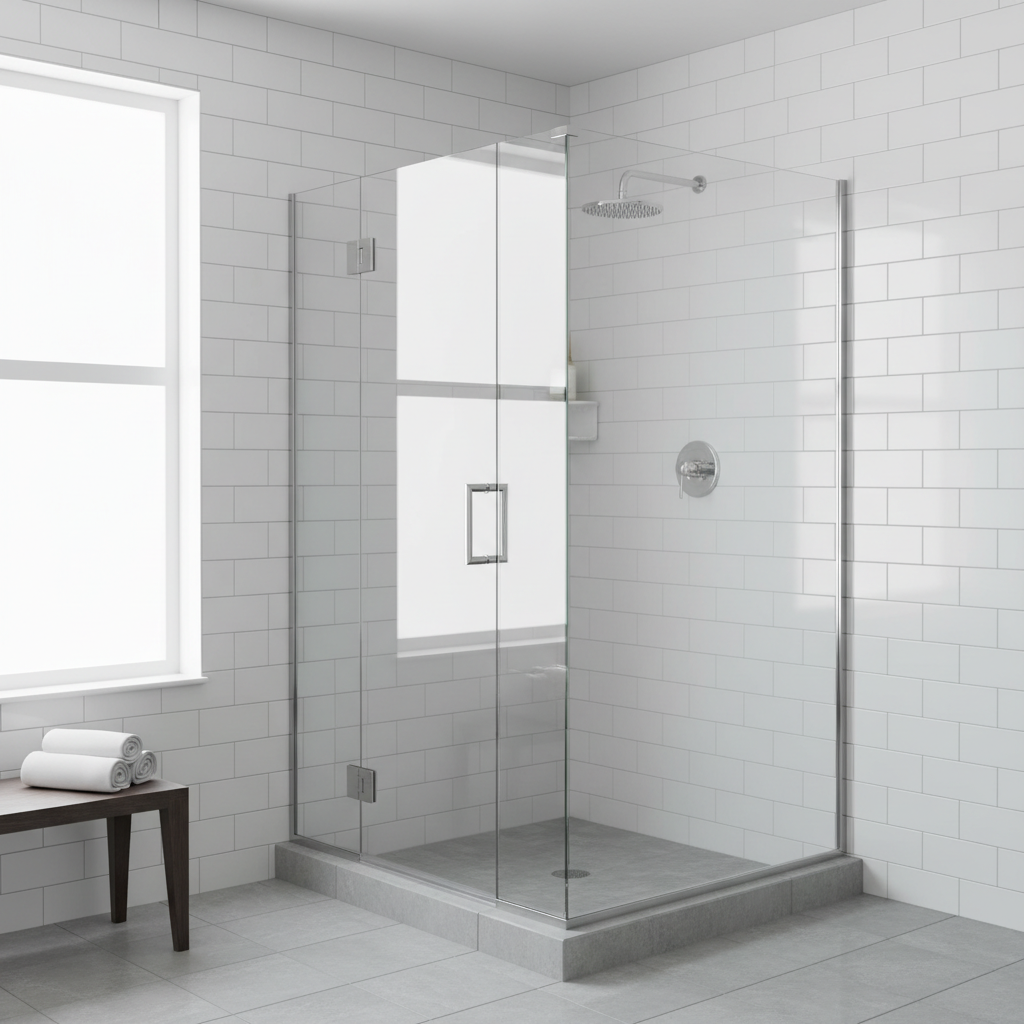
A sparkling glass shower door can make your entire bathroom feel brighter and cleaner. But over time, a persistent fog of soap scum and hard water stains can build up, leaving the glass looking dull and grimy. While a deep, professional clean is the ultimate reset, maintaining that clarity doesn't have to be a daily battle. By understanding the cause of the buildup and using a few efficient DIY methods, you can keep your shower doors crystal clear with minimal effort.
Understanding the Fog: What Causes Buildup on Glass Doors?
That cloudy film on your shower glass isn't just one thing; it's a combination of two primary culprits. Knowing what you're up against is the first step to defeating it effectively.
-
Hard Water Stains: If you live in an area with hard water, like many parts of British Columbia, your tap water contains a high concentration of dissolved minerals like calcium and magnesium. When water droplets evaporate on your shower door, they leave these mineral deposits behind. Over time, these deposits build up into a tough, whitish, and often spotty layer that is difficult to remove.
-
Soap Scum: The other offender is soap scum. Traditional bar soaps contain paraffin, talc, and other fatty acids that react with the minerals in hard water. This reaction creates a sticky, waxy residue that clings to glass surfaces. It not only clouds the door but also acts like a magnet for dirt, mildew, and more mineral deposits.
The Top 3 DIY Solutions for a Speedy Clean
Forget spending a fortune on specialized cleaners. Some of the most effective solutions for a foggy shower door are likely already in your pantry. Here are three efficient methods, from daily maintenance to a more powerful scrub.
1. The Classic Vinegar & Dish Soap Spray
This is the go-to solution for regular maintenance. The acetic acid in white vinegar is perfect for dissolving the mineral deposits from hard water, while a quality dish soap cuts through the greasy, waxy buildup of soap scum.
- How to Make It: In a spray bottle, mix one part white vinegar with one part warm water. Add a teaspoon of your favorite dish soap.
- How to Use It: Shake well and spray generously over the entire glass door. Let it sit for 10-15 minutes to allow the acids to work. For tougher spots, you can let it sit for up to 30 minutes. Then, scrub gently with a non-scratch sponge and rinse thoroughly with warm water. For a streak-free finish, dry the door completely with a squeegee or microfiber cloth.
2. The Baking Soda Paste Power-Scrub
When you need a bit more scrubbing power to remove hard water stains that have been sitting for a while, a baking soda paste is an excellent choice. Baking soda is a gentle abrasive that can physically lift stains without scratching the glass.
- How to Make It: In a small bowl, mix about a half-cup of baking soda with just enough water to form a thick paste.
- How to Use It: Apply the paste directly to the glass door using a non-scratch sponge. For extra power, you can dip the sponge in vinegar before applying the paste to create a fizzing, stain-fighting reaction. Scrub the glass in a circular motion, focusing on areas with visible buildup. Rinse thoroughly and dry with a squeegee.
3. The Surprising Lemon & Salt Trick
For a fresh-smelling and surprisingly effective scrub, look no further than your fruit bowl. The citric acid in lemon is another natural enemy of hard water stains, and when combined with the abrasive quality of salt, it creates a powerful, natural cleaner.
- How to Use It: Cut a large lemon in half. Dip the cut side into a small bowl of coarse salt (like kosher or sea salt). Use the salted lemon half to scrub the glass door directly. The lemon acts as both the applicator and the cleaning agent. The juice will break down minerals while the salt provides the scrubbing power. Squeeze the lemon as you go to release more juice. Once you've scrubbed the entire door, rinse and dry.
Prevention: The Most Efficient Method of All
Ultimately, the easiest way to clean your shower door is to prevent it from getting dirty in the first place. Integrating a few simple habits can drastically reduce your cleaning time.
- Use a Squeegee: This is the single most effective tool. Keep a squeegee in your shower and give the glass a quick wipe-down after every use. It takes less than 30 seconds and removes the water droplets before they can evaporate and leave minerals behind.
- Switch to Liquid Soap: Liquid body washes and shower gels typically contain fewer of the waxy ingredients that create soap scum compared to traditional bar soaps.
- Apply a Water Repellent: For a longer-term solution, consider applying a hydrophobic treatment (like Rain-X for showers) to the glass. This creates an invisible coating that causes water to bead up and roll away, taking minerals and soap with it.
While these DIY glass shower cleaning tips are excellent for maintenance, sometimes buildup becomes too tough for household solutions. If you're facing stubborn stains or simply want to restore your bathroom to its pristine state without the hassle, it might be time to call in the professionals. Sweep Dreams Cleaning Services offers comprehensive deep cleaning services across the Tri-Cities, Burnaby, and Langley, ensuring every surface, including your shower doors, is spotless. Contact us today for a free quote and let us make your cleaning dreams come true.
Frequently Asked Questions About Shower Door Cleaning
How often should I clean my glass shower doors?
For best results, a quick squeegee after every shower is ideal. A more thorough cleaning with a vinegar spray or similar solution should be done weekly or bi-weekly, depending on your water hardness and how often the shower is used. A deep scrub should be performed monthly or as needed.
Can I use vinegar on the metal frame of my shower door?
It's best to be cautious. While vinegar is great for glass, its acidic nature can damage certain metal finishes, especially anodized aluminum, nickel, or chrome, if left on for too long. If you use a vinegar spray, try to avoid the frame or rinse it off immediately. For metal frames, a pH-neutral cleaner and water is a safer choice.
What's the best way to remove stubborn, old hard water stains?
For very stubborn, etched-in stains, a DIY paste of baking soda and vinegar is a good start. Let it sit for at least 30 minutes before scrubbing. If that doesn't work, you may need a specialized hard water stain remover containing mild acids. In extreme cases, a professional deep clean is the most effective way to restore the glass without causing damage.
Are commercial cleaners better than DIY solutions?
Not necessarily. Many commercial cleaners are highly effective but can contain harsh chemicals and produce strong fumes. DIY solutions are often just as effective for regular maintenance, are more affordable, and use ingredients you already have. For routine cleaning, DIY is great. For heavy-duty jobs, both strong commercial products and professional services have their place.