
November 15, 2026 · Sweep Dreams Cleaning Services · 5 min read
The Hidden Germ Hotspots in Your Kitchen (and How to Sanitize Them Fast)
Think your kitchen is spotless after a quick wipe down? Discover the overlooked germ hotspots harboring bacteria and learn how to sanitize them in minutes with eco-friendly methods.
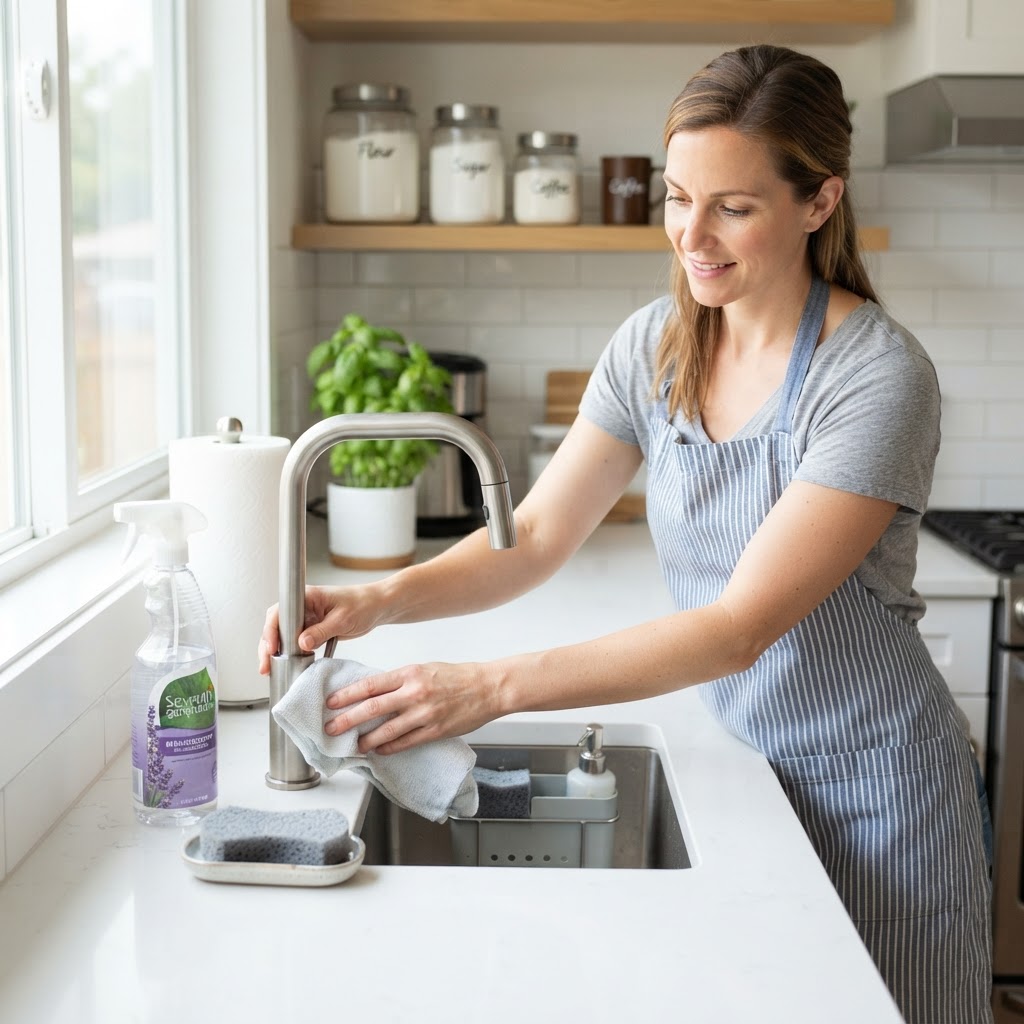
We all know the satisfying feeling of a tidy kitchen. The dishes are put away, the counters shine, and the floor looks clean enough to walk across barefoot. Yet, even in homes where cleaning happens daily, microscopic bacteria often thrive in spots we touch constantly without a second thought.
Studies from public health researchers consistently show that the kitchen contains more bacteria than almost any other room in the house, including the bathroom. Raw meats, fresh produce, pet dishes, and busy hands bring a wide variety of microbes into food preparation areas. If your goal is a truly healthy home for your family, shifting your focus toward these overlooked zones will make all the difference.
Here are five of the most common kitchen germ hotspots and simple, fast methods to sanitize them safely.
1. Refrigerator Door Handles and Rubber Gaskets
When preparing meals, it is common to reach into the fridge multiple times with hands that just handled unwashed eggs, raw poultry, or sticky containers. While we might wipe the front of the door occasionally, the handle and the flexible rubber gasket seals rarely get the attention they deserve.
The accordion folds of refrigerator gaskets trap food crumbs, condensation, and warmth, creating an ideal microclimate for mold and yeast growth.
How to sanitize fast:
- Mix equal parts warm water and white distilled vinegar in a spray bottle, or use an eco-friendly multi-surface disinfectant.
- Lightly mist the handle and let the solution sit for 60 seconds (dwell time matters for killing surface bacteria).
- Wipe the handle completely dry with a clean microfiber cloth.
- For the gasket, wrap a microfiber cloth around the tip of a butter knife or use an old soft toothbrush dampened with warm soapy water to quickly dislodge crumbs along the folds. Finish with a dry wipe.
2. Touchpoints: Cabinet Knobs, Drawer Pulls, and Appliance Dials
Think about how many times you open the spice drawer, turn on the stove dial, or pull open the pantry while cooking dinner. Cabinet hardware and appliance knobs collect cooking oils, grease, and skin cells throughout the week. Because these surfaces are textured or grooved, pathogens settle into the edges and transfer back to clean hands.
Regular dusting leaves these germs intact. Sanitizing these kitchen touchpoints takes less than three minutes if you keep a targeted spray on hand.
How to sanitize fast:
- Avoid spraying liquids directly onto electronic touchscreens or microwave control panels, as moisture can seep behind the glass.
- Instead, mist a clean microfiber cloth with a 70 percent isopropyl alcohol solution or a food-safe disinfectant.
- Firmly wipe down all handles, knobs, and digital control pads in one sweeping pass across the room. The alcohol evaporates quickly without leaving streaks or chemical residue.
3. The Coffee Maker Water Reservoir and Drip Tray
Dark, warm, and constantly damp: the internal components of drip coffee makers and single-serve pod machines are prime real estate for bacterial biofilm and mold spores. If you only refill the water chamber without emptying and drying it, microscopic buildup forms along the plastic walls.
Similarly, the drip tray beneath your mug catches forgotten splashes that sit in ambient room temperature all day long.
How to sanitize fast:
- Daily: Empty the drip tray every evening and rinse it with hot water and dish soap.
- Weekly: Remove the reservoir lid and wash the chamber with warm, soapy water. Allow it to air dry thoroughly with the lid open.
- Monthly: Fill the water reservoir with a 1:1 mixture of water and white vinegar. Run half a brew cycle, switch off the machine for 30 minutes to let the solution dissolve mineral scale and mold, then finish the cycle. Run two cycles of plain filtered water afterward to eliminate any vinegar scent.
4. The Sink Drain, Flange, and Sponge Caddy
Your kitchen sink receives everything from dirty dishwater and raw meat juices to coffee grounds and food scraps. While you might rinse the basin with water after washing dishes, the drain opening, the rubber garbage disposal splash guard, and the bottom of your sponge holder harbor massive bacterial colonies.
In fact, dish sponges and wet sink crevices frequently test positive for coliform bacteria like E. coli.
How to sanitize fast:
- The Sink Basin & Flange: Sprinkle baking soda over the sink surface and around the drain collar. Scrub with a stiff dish brush, then rinse with boiling water. Spritz thoroughly with 3 percent hydrogen peroxide and let it sit for five minutes before a final rinse.
- The Sponge Holder: Dish sponges should never sit in stagnant water. Wash your ceramic or stainless caddy in the dishwasher once a week, or soak it in hot soapy water while wiping down counters.
- Pro Tip for Sponges: Replace your kitchen sponge every one to two weeks, or switch to washable, quick-drying Swedish dishcloths that do not hold moisture.
5. Knife Blocks and Cutting Board Grooves
Slotted wooden knife blocks look elegant on the counter, but their narrow, dark slots are nearly impossible to inspect. Inserting a knife that is even slightly damp allows moisture to settle at the bottom of the slot, encouraging hidden mold growth that coats your blades every time you pull them out.
Wooden and plastic cutting boards also develop deep knife scores over time where bacteria take shelter from routine rinsing.
How to sanitize fast:
- Never store a knife until it has been completely towel-dried.
- To refresh a wooden block, shake it upside down over a sink or use a can of compressed air to clear accumulated dust and crumbs. Dip a pipe cleaner or slim straw brush into food-grade mineral oil or diluted vinegar to swab inside the slots.
- For cutting boards, scrub deeply with half a lemon dipped in coarse sea salt to lift trapped grease, then rinse thoroughly. If a plastic board has deep, frayed grooves, it is time to replace it.
The Difference Between Cleaning and Sanitizing
One common reason kitchen germ hotspots linger is the confusion between cleaning and sanitizing.
- Cleaning removes visible food residue, grease, and dirt using soap, water, and friction. It lowers germ numbers by washing them away, but it does not necessarily kill them.
- Sanitizing uses an approved agent (such as alcohol, diluted vinegar mixtures, or hospital-grade eco-disinfectants) to actively reduce bacteria and viruses to safe public health levels.
For best results, always clean the crumbs and grease off a surface first, then apply your sanitizing spray and respect the dwell time indicated on the bottle before wiping dry.
Reclaim Your Weekends with Professional Support
Keeping on top of routine household cleaning can quickly feel like a second shift. Between work, family, and enjoying everything British Columbia has to offer, deep sanitizing projects often drop to the bottom of the priority list.
At Sweep Dreams Cleaning Services, we take care of the detail-oriented dirty work so you can enjoy your free time. Serving Coquitlam, Port Coquitlam, Port Moody, New Westminster, Burnaby, Pitt Meadows, Maple Ridge, and Langley, our insured and WCB-certified team uses trusted eco-friendly products to leave your kitchen, bathrooms, and living spaces truly refreshed. Contact us today for a free, transparent quote on recurring maintenance or a comprehensive top-to-bottom deep clean.
Frequently Asked Questions
How often should I sanitize high-touch kitchen surfaces?
High-touch kitchen touchpoints like cabinet pulls, fridge handles, and faucet levers should ideally be sanitized every couple of days, particularly after cooking with raw proteins. Low-touch areas, such as knife blocks or the coffee reservoir, can be sanitized bi-weekly or monthly.
What is dwell time and why does it matter for kitchen cleaners?
Dwell time is the amount of time a sanitizing solution must remain visibly wet on a surface to kill the target bacteria and viruses. Wiping a spray off immediately often cleans away visible dirt but leaves active microbes behind. Most eco-friendly sanitizers require between 60 seconds and 5 minutes of dwell time.
Can I use vinegar to sanitize all kitchen surfaces?
While white distilled vinegar is an effective mild disinfectant for glass, plastic, and porcelain, you should never use it on natural stone countertops like granite, marble, or quartz. The acid in vinegar can dull or etch the protective seal. For natural stone, stick to warm water with mild dish soap or a pH-neutral disinfectant.
Will a professional deep clean cover these hidden kitchen spots?
Yes. A professional deep cleaning service from Sweep Dreams addresses detailed areas that standard daily tidying misses, including exterior appliance detailing, cabinet handles, sink fixtures, backsplash grease, and hidden baseboards.